
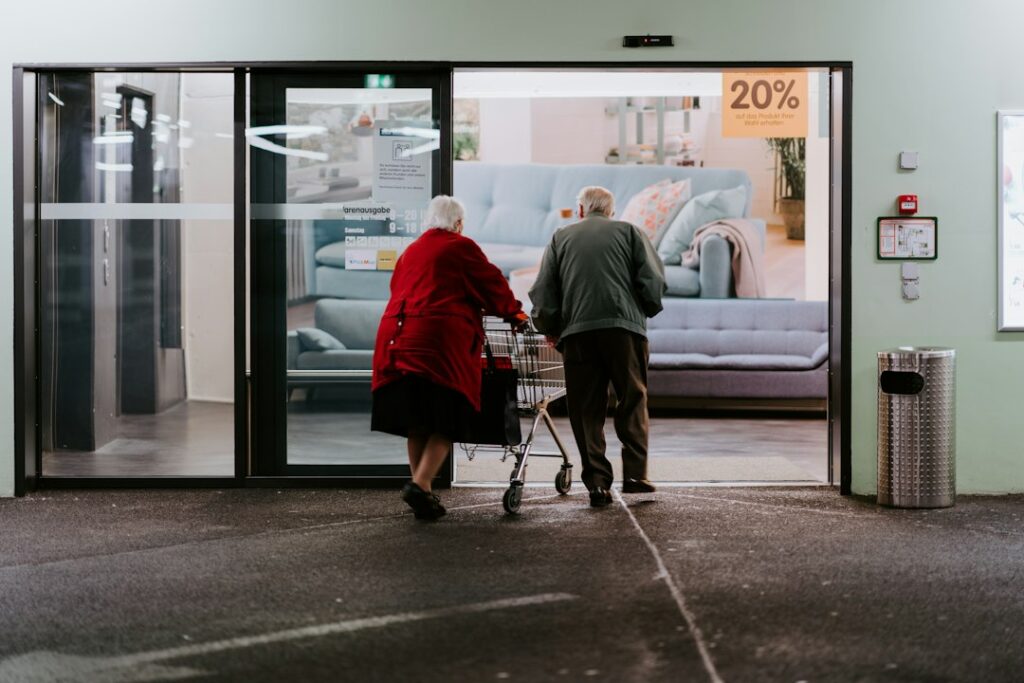
Falls are not an unavoidable part of aging, but the risk can increase when balance, vision, strength, medications, footwear, or the living environment changes. In Greensburg, PA, fall prevention may also require attention to winter ice, wet entryways, uneven outdoor surfaces, and the way residents move between private rooms and shared areas.
Assisted living safety works best when prevention is treated as an ongoing routine rather than a one-time inspection. A resident’s needs can change after an illness, medication adjustment, hospitalization, or decline in vision.
Why do falls happen in assisted living?
Most falls have more than one contributing factor. A resident may be unsteady because of muscle weakness, then trip over a loose mat while walking in dim lighting. Another person may feel dizzy after standing because of dehydration or a medication side effect.
Common risk factors include:
- Muscle weakness in the legs
- Balance problems or a history of falling
- Vision changes, including difficulty judging steps or obstacles
- Dizziness, faintness, or low blood pressure
- Arthritis, foot pain, or poorly fitting shoes
- Medications that cause drowsiness, confusion, or slower reactions
- Clutter, loose rugs, cords, or wet floors
- Rushing to the bathroom
- Poor lighting, especially at night
A fall can cause more than a broken bone. Fear of falling may lead someone to avoid walking, which can further reduce strength and confidence. Reporting near-falls is also useful because a stumble that does not cause an injury may reveal a hazard or health change that should be addressed.
What should residents and families check inside the living space?
The safest room is one that allows clear, well-lit movement between frequently used areas. Walkways should remain free of furniture, boxes, oxygen tubing, electrical cords, pet items, and other objects that can catch a foot or walker.
Pay particular attention to:
- Loose throw rugs or mats that slide underfoot
- Thresholds between rooms
- Furniture that is too low, unstable, or difficult to rise from
- Frequently used items placed on high shelves
- Dim hallways or switches that are hard to reach
- Clutter near the bed, bathroom, or doorway
- Spills that are not cleaned promptly
A sturdy chair with arms can make sitting and standing easier. Beds should be at a height that allows the resident’s feet to rest securely on the floor before standing. Personal items, a telephone, and a call device should be within easy reach rather than placed across the room.
Night lighting is especially helpful. A small lamp, motion-activated light, or illuminated path can reduce the need to walk in darkness. Residents should pause at the bedside before standing if they sometimes feel lightheaded.
How can bathrooms and showers be made safer?
Bathrooms deserve special attention because wet surfaces, turning movements, and transfers often occur in a confined space. Grab bars that are securely installed are safer than towel racks or furniture used for support.
Helpful measures include:
- Non-slip flooring or properly secured bath surfaces
- Grab bars near the toilet and in the bathing area
- A shower chair or bench when standing for long periods is difficult
- A handheld showerhead when appropriate
- Adequate lighting and a clearly visible light switch
- Toilet paper, soap, towels, and clothing placed within easy reach
- A raised toilet seat or other equipment when recommended for safe transfers
Residents should avoid using a rolling table or unstable object to pull themselves up. If assistance is needed for bathing, toileting, or transferring, the need should be clearly communicated rather than handled by rushing or improvising.
What footwear is safest?
Shoes should fit securely, have a firm heel, and provide traction without being difficult to put on. Slippers that are loose, backless, worn smooth, or oversized can increase the chance of slipping or catching on flooring.
Socks alone may be unsafe on smooth floors unless they have reliable non-slip material. Foot pain, numbness, swelling, or changes in walking should also be reported because these problems can affect balance and stride.
Outdoor footwear deserves seasonal attention. During icy or wet conditions, residents should avoid walking outside alone if the route is not known to be clear. Wet soles should be dried before walking across indoor flooring.
Can medications increase fall risk?
Yes. Some prescription and over-the-counter medicines can cause sleepiness, dizziness, blurred vision, confusion, or slower reaction time. Risk may be greater when several medicines affect the nervous system or blood pressure.
Residents should not stop or change medication without medical guidance. Instead, ask for a medication review when:
- A new medicine has been started
- The dose has changed
- Dizziness or unusual sleepiness develops
- Balance worsens without an obvious reason
- A fall or near-fall occurs
- The resident takes several medicines from different prescribers

Medication timing can matter as well. A person who feels unsteady after a dose may need instructions about rising slowly, using assistance, or monitoring symptoms.
How do strength, balance, and vision affect prevention?
Regular movement can help maintain leg strength, coordination, and confidence. Exercises should match the resident’s abilities and medical conditions. Depending on the individual, safe options may include supervised walking, seated leg exercises, balance activities, or strength training.
Vision should not be overlooked. Updated eyeglasses, good lighting, and routine eye care can help residents see changes in flooring, curbs, steps, and obstacles. Bifocals or progressive lenses may also require extra caution on stairs or uneven ground because they can affect depth perception during movement.
A resident who develops new dizziness, weakness, numbness, confusion, severe headache, chest pain, or difficulty speaking needs prompt medical attention. These symptoms may indicate a serious medical problem rather than an ordinary balance issue.
What seasonal hazards matter in Greensburg?
Cold-weather conditions can create risks before a resident even reaches a building entrance. Ice, packed snow, slush, and wet leaves may make sidewalks and ramps difficult to navigate. Indoor floors can also become slippery when moisture is tracked inside.
Seasonal precautions include:
- Checking outdoor walking routes before leaving
- Using handrails on steps and ramps
- Allowing extra time instead of hurrying
- Wearing weather-appropriate shoes with good traction
- Keeping umbrellas, coats, and bags from blocking the view of the ground
- Drying wet mobility equipment before using it indoors
- Reporting icy, uneven, or poorly lit walkways
Older homes and residential buildings may also have narrow hallways, raised thresholds, steep steps, or changing floor surfaces. These features do not always need major remodeling, but they should be recognized and managed through lighting, handrails, clear pathways, and appropriate assistance.
What should happen after a fall?
After a fall, the first priority is safety. A person should not be pulled up quickly, especially if there is pain, a head impact, bleeding, or an inability to move normally. Staff or emergency services may need to assess the resident before movement occurs.
Even when there is no obvious injury, the fall should be reported and reviewed. Useful questions include:
- What was the resident trying to do?
- Was the area wet, dark, cluttered, or uneven?
- Were shoes, glasses, or a mobility aid involved?
- Did dizziness, urgency, or weakness occur beforehand?
- Had there been a recent illness or medication change?
- Was the mobility aid adjusted correctly?
A follow-up review can identify changes in care routines, equipment, lighting, hydration, exercise, or medical evaluation. A near-fall deserves similar attention because it may provide an early warning.
How can families support fall prevention?
Families can ask residents about close calls without blame or embarrassment. Questions such as “Have you felt unsteady lately?” or “Are you avoiding any areas because they feel unsafe?” may reveal concerns that are not volunteered.
Useful family observations include changes in walking speed, reaching for furniture, difficulty rising from a chair, repeated nighttime bathroom trips, or new hesitation on stairs. Sharing these observations with the appropriate care team can help create a more individualized safety plan.
Fall prevention is most effective when the resident’s independence is respected while avoidable hazards are reduced. The goal is not to prevent all movement; it is to make everyday movement more predictable, visible, supported, and safe.
