
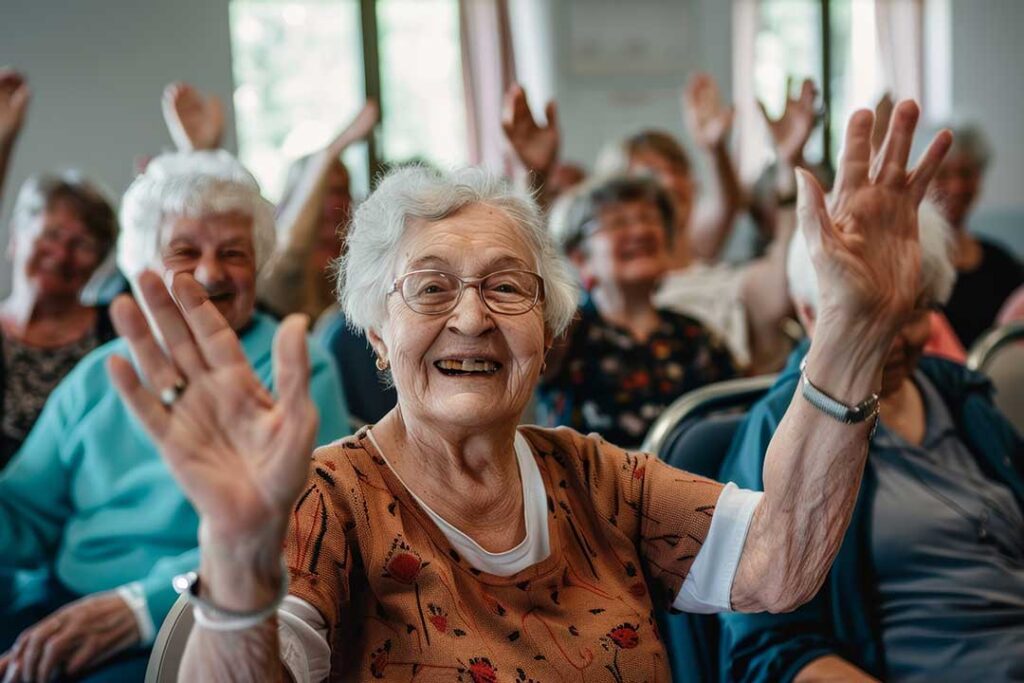
Moving into an assisted living environment in Greensburg, Pennsylvania, means joining a vibrant community set against the backdrop of the Laurel Highlands, with its close-knit local culture and scenic parks. For many seniors and their families, this chapter offers new opportunities for social engagement and support. Yet, as in any shared living situation, conflicts sometimes arise—ranging from simple disagreements over daily routines to more complicated issues involving staff, roommates, or fellow residents.
Handling disputes with empathy and effective communication is crucial for maintaining a positive atmosphere. Here’s how residents, families, and staff can approach conflict in assisted living settings, with insights drawn from the collaborative spirit that defines Greensburg’s lifestyle.
Understanding Conflict in Assisted Living
Assisted living communities are dynamic microcosms, filled with diverse backgrounds, personalities, and routines. Common sources of conflict might include:
- Differing preferences for TV volume or meal times
- Roommate disagreements regarding shared spaces
- Miscommunications with staff about care routines
- Clashes during group activities or recreational outings
In Greensburg, where community values are strong and neighbors often look out for one another, leveraging this spirit of mutual respect can be a helpful starting point for addressing disagreements.
The Importance of Communication
Most conflicts in assisted living environments can be resolved—or even prevented—by fostering open and respectful communication. This mirrors the local culture found throughout Westmoreland County, where people value honesty and directness while treating others with courtesy.
- Encourage residents and their families to express concerns calmly and clearly.
- Staff should be approachable and listen without judgment.
- Utilize family meetings or care conferences to give everyone a voice.
- If residents struggle with communication due to cognitive changes, staff can employ nonverbal cues and gentle reassurance.
Mediation Techniques
Sometimes, a neutral third party is needed to mediate disputes constructively. Assisted living communities in Greensburg often rely on trusted staff members, such as care managers or activities coordinators, to guide residents toward resolution.
Effective mediation involves:
- Listening to all viewpoints
- Restating concerns in neutral language
- Identifying possible compromises that maintain harmony
- Focusing on solutions, not fault
Highlighting shared goals—such as enjoying a peaceful home environment or participating in group outings to local Greensburg parks—can reinforce unity.
Building a Positive Environment
Prevention is often the best medicine. Assisted living teams should take proactive steps to create a supportive community atmosphere. Drawing from Greensburg’s penchant for neighborly care and collaboration, consider these strategies:
- Establish clear community guidelines and expectations from the start.
- Organize regular social activities—like visits to St. Clair Park or local museums—to foster goodwill among residents.
- Encourage staff to lead by example in demonstrating respect, patience, and inclusion.
- Recognize individual achievements and celebrate community milestones to build a sense of belonging.
Involving Families
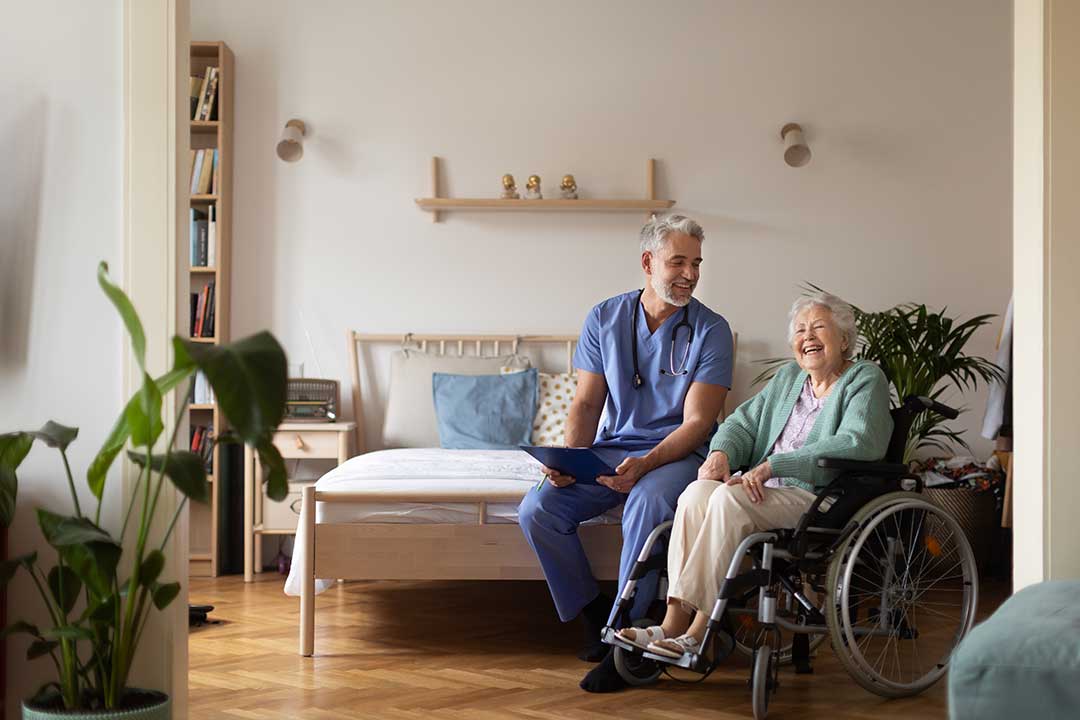
Families play a vital role in setting a positive tone. Open communication between loved ones and staff ensures that concerns are addressed before they escalate.
Tips for families:
- Attend care meetings and stay informed about community life.
- Discuss potential conflict triggers unique to their loved one with staff (e.g., noise sensitivity, specific routines).
- Approach staff with questions or complaints in a collaborative, non-confrontational manner.
- Encourage their loved ones to participate in community events and social programs, making the most of Greensburg’s active senior culture.
When to Seek Professional Help
Certain conflicts, such as persistent bullying, safety concerns, or issues related to mental health, may require outside support. Local resources in Greensburg, like counseling services or senior advocacy agencies, offer expertise and mediation when needed.
Staff and families must be vigilant and report serious incidents immediately to ensure resident safety and well-being. Pennsylvania’s Department of Aging provides hotlines and ombudsman programs specifically for elder care settings.
Tips for Residents: Maintaining Harmony with Roommates and Neighbors
Living with a roommate or in a community setting presents opportunities for friendship and, occasionally, friction. Help residents adapt and build meaningful relationships by:
- Setting boundaries early regarding shared spaces (e.g., bathrooms, TV lounges).
- Ensuring personal belongings are respected.
- Scheduling quiet times and shared activities to meet everyone’s needs.
- Participating in regular community forums or feedback sessions.
Encourage empathy by reminding residents of Greensburg’s deep-rooted tradition of helping others, whether it’s lending a hand at the local food pantry or looking out for a neighbor.
Embracing the Greensburg Spirit
The relaxed pace, strong family ties, and active community life in Greensburg provide an excellent foundation for a harmonious assisted living experience. By drawing upon local values—friendliness, collaboration, and a willingness to listen—residents, staff, and families can resolve disputes with understanding and grace.
Above all, building a positive culture requires ongoing effort from everyone involved. With the right mindset and practical strategies, conflicts can become opportunities to learn, grow, and strengthen bonds within the assisted living community.
If you have specific concerns about assisted living facilities in Greensburg, don’t hesitate to reach out to local resources for guidance and support. Working together, we can ensure that every resident enjoys a safe, comfortable, and enriching environment in their later years.
