

How Do Assisted Living Facilities in Greensburg, PA Approach Safety and Infection Prevention?
Assisted living communities in Greensburg, PA rely on a layered approach to safety and infection prevention, balancing resident independence with necessary protections. These measures are based on state health guidelines, experience with local seasonal risks, and evolving care standards.
Protocols are designed to address everything from falls and fire risks to infectious diseases. Most procedures are adapted regularly to align with recommendations from agencies such as the Pennsylvania Department of Health and the Centers for Disease Control and Prevention (CDC).
What Daily Practices Help Prevent the Spread of Illnesses?
Routine habits create a safer environment for both residents and staff. Common daily practices include:
- Hand Hygiene: Staff and residents are encouraged to wash hands frequently with soap and water, especially before meals and after using the restroom. Alcohol-based sanitizers are readily available throughout living areas.
- Respiratory Etiquette: Covering coughs and sneezes with tissues or elbows is reinforced, especially during colder months when respiratory infections are more common.
- Cleaning High-Touch Surfaces: Door handles, handrails, shared equipment, and dining tables are disinfected several times a day.
- Resident Health Checks: Staff monitor for fever, cough, or other early signs of illness, usually during daily routines or in conversation.
- Mask Usage: During flu season or local outbreaks, masks may be recommended or required for both visitors and residents in shared spaces.
How are Communal Activities and Dining Made Safer?
Shared spaces are focal points for both positive social interaction and potential health risks. Facilities use several approaches to reduce risk while supporting community interaction:
- Group sizes for activities and dining are adjusted based on current health conditions.
- Seating is often spaced further apart during periods of heightened concern.
- Some group events may shift to outdoor spaces when feasible, especially during the mild springs and falls typical of the region.
- Shared items (like bingo chips, cards, or art supplies) are sanitized after each use.
- Meal services might move from buffet-style to individually plated options, reducing handling of serving utensils.
What Happens When a Resident Shows Signs of Illness?
Immediate action is taken if a resident feels unwell or shows symptoms linked to contagious disease. Staff follow a step-by-step protocol:
1. The resident is given a mask and gently encouraged to rest in their room to minimize contact with others.
2. A nurse or trained staff member assesses symptoms and records relevant information.
3. Room visits may be minimized, but medical monitoring continues.
4. Meals and medications are delivered directly to the resident’s space.
5. Facilities notify family members and coordinate with local healthcare providers if medical attention is needed.
This process helps prevent outbreaks, especially with illnesses like the flu or norovirus.
Are Visitors Allowed During Outbreaks or High-Risk Periods?
Visitor policies are carefully considered, balancing safety with emotional well-being. During community outbreaks or flu season spikes in Greensburg, visitor access is sometimes restricted or modified:
- Entry health screening (including temperature checks and symptom questionnaires) is common during high-risk periods.
- Visitation may be temporarily limited to essential family members.
- Video calls and virtual check-ins are encouraged to maintain family connections.
- When conditions improve, visitor restrictions are relaxed in line with updated health guidance.
How Do Facilities Reduce Fall and Accident Risks?
Accident prevention is a constant focus. Greensburg communities often tailor their safety protocols to common local conditions, such as slippery walkways in snowy winters or increased pollen causing allergies in spring. Some of the core practices include:
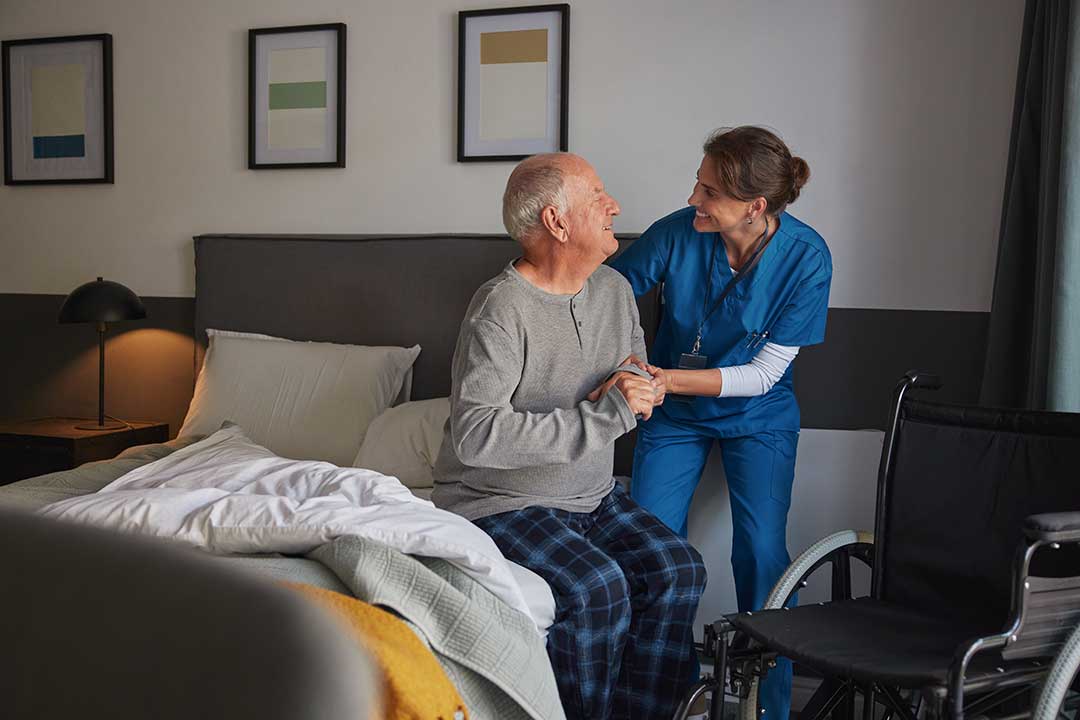
- Non-slip flooring, well-lit corridors, and sturdy handrails throughout the building.
- Regular inspection and maintenance of walkways, particularly after inclement weather.
- Personal alarms or call buttons for residents who may need assistance.
- Staff assistance with mobility and daily tasks where warranted.
- Clear signage and easy-to-navigate layouts for residents with memory challenges.
What Are Common Misconceptions About Infection Control in Assisted Living?
A few widespread misconceptions can lead to confusion for residents and families:
- “Isolation is always necessary if someone is sick.” In reality, most facilities balance social needs with practical isolation—residents are only fully isolated for illnesses that present a major transmission risk.
- “Only residents with symptoms can spread infections.” Asymptomatic spread can occur, so regular hygiene and cleaning protect everyone, not just those feeling ill.
- “Outings are never safe.” Many assisted living residents still enjoy local walks, trips, or visits, especially when risk is low and precautions are followed.
What Should Residents and Families Watch For in Their Community?
Residents and their family members benefit from understanding the specific protocols in place—and from asking questions if unsure. Signs of a proactive environment include:
- Staff willingness to discuss protocols openly and answer questions.
- Clear signage or reminders about handwashing and mask usage.
- Regular updates on visitor policies, especially after public health advisories.
- Easy access to cleaning supplies, masks, and hand sanitizer for everyone.
Facilities that openly communicate changes and reinforce habits tend to create a more secure, reassuring environment for all.
